There are a lot of things you expect to think about when preparing for an offshore race. Navigation. Safety. Training. Sail handling. What you do not always expect is how much time you will spend thinking about sleep.
Or more specifically, how to sleep well in a place that never stops moving.
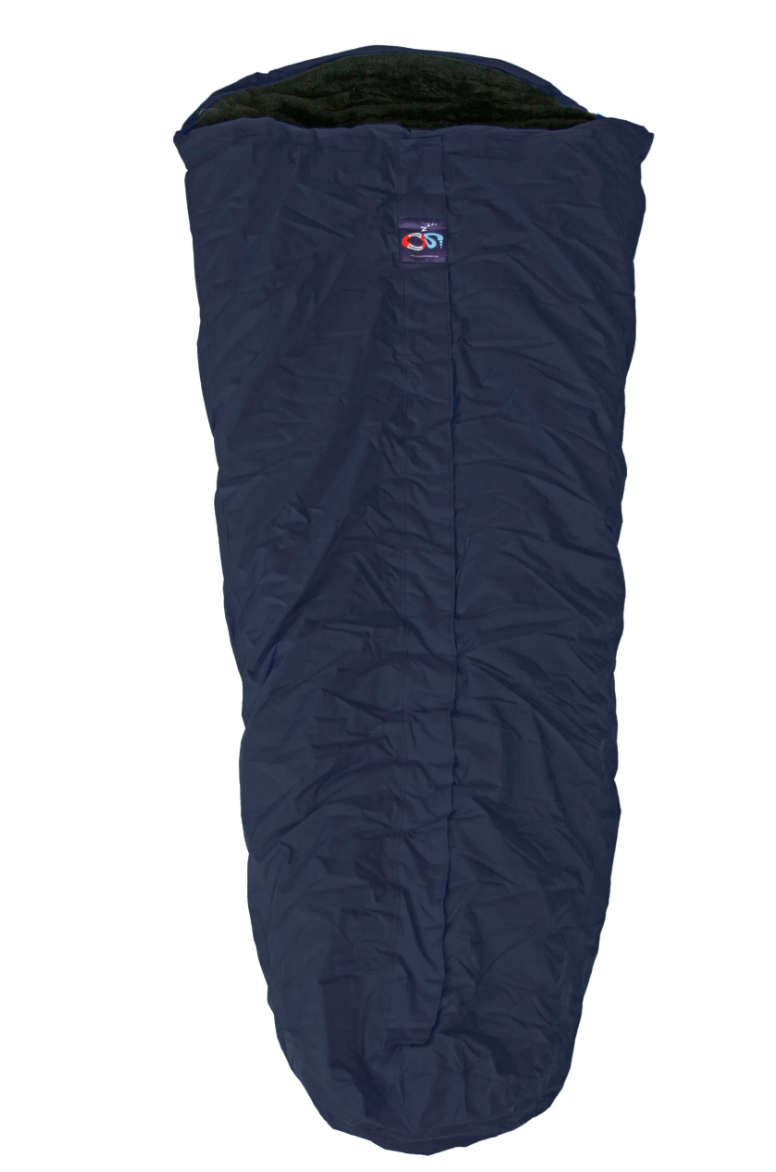
One of the most surprisingly tricky pieces of gear for the Clipper Race is the sleeping bag. It sounds simple. It is not.
Why Sleeping Bags Matter Offshore
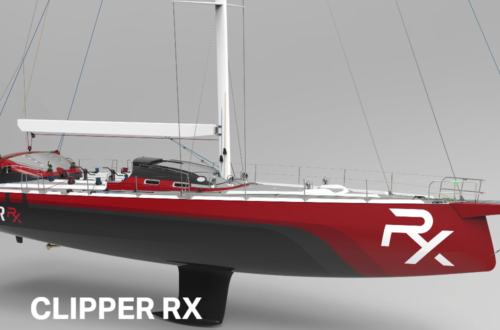
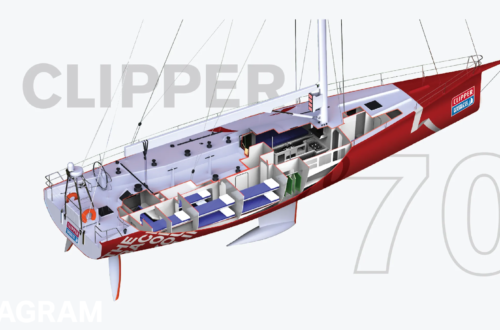
Life on a Clipper 70 is very different from camping or cruising. You do not get eight uninterrupted hours of rest. Sleep happens in short blocks between watches. You crawl into a bunk while the boat is heeled over, the hull is creaking, the sails are snapping, and the temperature is constantly changing.
A good sleeping bag offshore needs to do a lot at once.
It needs to be warm, but not too warm.
Compact, but not restrictive.
Durable, but still comfortable.
Able to handle moisture, salt, and constant movement.
Easy to get in and out of while tired and half-awake.
Oh, and it has to fit in a very small space with everything else you own.
No pressure.
The Temperature Problem
One of the biggest challenges is that offshore sailing is not one consistent climate. Even within a single leg, you can experience hot, humid nights and cold, damp ones. Conditions change quickly, and your sleep system needs to adapt.
A sleeping bag that is perfect for a cold night can feel unbearable in warmer conditions. A lighter bag may not be enough when the temperature drops and exhaustion sets in.
Layering helps, but it adds complexity and bulk. Finding the right balance is harder than it sounds.
Moisture Is the Real Enemy
If there is one word that defines offshore sailing, it might be damp.
Everything gets wet. Even things you are careful with. Spray, condensation, humidity, and sweat all find their way into your gear. A sleeping bag that cannot handle moisture quickly becomes uncomfortable, heavy, and ineffective.
This is where materials matter. Insulation type, shell fabric, drying speed, and how the bag handles repeated exposure all make a difference. What works beautifully in a dry environment may struggle at sea.
Comfort in a Moving World
Sleeping offshore is not like sleeping at home or even in a tent. The boat is always in motion. Your body is bracing without you realizing it. You need a sleeping bag that allows you to move, curl, and adjust without fighting the fabric.
Zippers that snag. Hoods that feel claustrophobic. Bags that are too narrow. All of these things become much bigger problems when you are tired and the boat is bouncing around.
Comfort is not a luxury out there. It is part of staying functional.
The Search So Far
I am deep in the research phase right now. Comparing materials. Reading reviews from offshore sailors. Thinking about pack size, warmth ratings, durability, and how the bag will actually feel after days at sea.
It is one of those gear choices where there is no perfect answer, only the best compromise for your body, your climate, and your sailing style.
Slow and steady applies here too. I would rather take my time and choose wisely than rush into something that does not hold up when it matters most.
A Lighthearted Note to the Universe
If there happens to be a sleeping bag out there that is warm, breathable, moisture-resistant, compact, comfortable, and designed for life offshore, I am very interested in meeting it.
And if there happens to be someone out there that loves supporting big dreams, long races, and sailors who believe slow and steady wins the race, well, I am always happy to talk gear.
Just saying.
Why This Matters
Good sleep is not just about comfort. It is about safety, focus, and performance. When you are well-rested, you make better decisions. You communicate more clearly. You show up more fully for your crew.
Finding the right sleeping bag is a small piece of the puzzle, but it is an important one. And like everything else in this journey, it is a lesson in patience, learning, and thoughtful preparation.
The Snail Sailor way.
More updates to come as the search continues.